
Racing Simulators
Step into immersive motorsport performance with a premium racing simulator UK collection designed for realism, precision, and competitive driving. Whether you're building a home racing simulator or upgrading your current racing simulator setup, every system is engineered to deliver responsive handling, authentic positioning, and a true racing simulator experience.
The Best Racing Simulator for Home Performance
Looking for the best racing simulator for your gaming room, office, or dedicated setup? Our collection includes everything from a compact racing simulator cockpit to a full racing simulator setup built for serious enthusiasts. Whether you enjoy GT racing, competitive racing simulator games, or an immersive F1 racing simulator experience, there is a solution tailored to your driving style.
Build Your Ideal Racing Simulator Setup
Upgrade every session with a premium racing simulator seat, advanced controls, and immersive hardware designed for long-term comfort and precision. Whether you need the best sim racing cockpit for competitive training or a refined setup for casual driving, our collection helps you create a racing simulator setup that feels realistic, focused, and beautifully engineered.
-
 Original price £70,500.00 - Original price £70,500.00Original price£70,500.00£70,500.00 - £70,500.00Current price £70,500.00
Curv AMR-C01-R Aston Martin Racing Simulator
CurvExperience Aston Martin's Hypercar DNA With the AMR-C01-R Racing Simulator The AMR-C01-R Racing Simulator is the only simu...
View Full Details -
 Original price £19,495.00 - Original price £19,495.00Original price£19,495.00£19,495.00 - £19,495.00Current price £19,495.00
BPS Blade Racing Simulator
Base PerformanceRace at Home With Le Mans-Grade Simulation Using BPS Blade Racing Simulator Engineered for drivers who demand professional...
View Full Details -
 Original price £55,995.00 - Original price £55,995.00Original price£55,995.00£55,995.00 - £55,995.00Current price £55,995.00
BPS Phoenix Commercial Racing Simulator
Base PerformanceBPS Phoenix Commercial Racing Simulator Built To Turn Casual Guests Into Repeat Customers The BPS Phoenix Commercial Racin...
View Full Details -
 Original price £64,995.00 - Original price £64,995.00Original price£64,995.00£64,995.00 - £64,995.00Current price £64,995.00
ImSim GARRA Podium Racing Simulator
ImSimThe ImSim GARRA Podium Racing Simulator Redefines Premium Racing Simulation The ImSim GARRA Podium is the flagship model i...
View Full Details -
 Original price £52,995.00 - Original price £52,995.00Original price£52,995.00£52,995.00 - £52,995.00Current price £52,995.00
ImSim GARRA Racing Simulator
ImSimExperience Championship-Level Performance with the ImSim GARRA Racing Simulator The ImSim GARRA Racing Simulator combines ...
View Full Details -
 Original price £28,995.00 - Original price £28,995.00Original price£28,995.00£28,995.00 - £28,995.00Current price £28,995.00
ImSim TERRA Racing Simulator
ImSimDiscover the Elite Performance of the ImSim TERRA Racing Simulator The ImSim TERRA Racing Simulator combines professional-...
View Full Details -
 Original price £46,995.00 - Original price £46,995.00Original price£46,995.00£46,995.00 - £46,995.00Current price £46,995.00
ImSim ALMA Racing Simulator
ImSimUnrivalled Motorsport Precision Built Into the ImSim ALMA Motion Simulator The ImSim ALMA Motion Simulator delivers profes...
View Full Details -
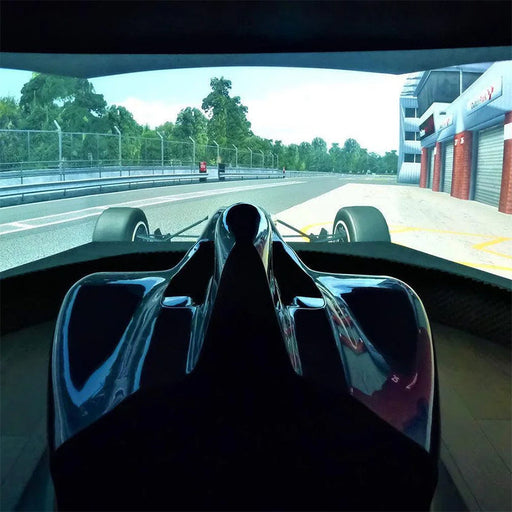 Original price £102,000.00 - Original price £102,000.00Original price£102,000.00£102,000.00 - £102,000.00Current price £102,000.00
Cool Performance F1 Half Cockpit Racing Simulator
Cool PerformanceFeel the F1 Car Experience at Home with Cool Performance F1 Half Cockpit Racing Simulator The Cool Performance F1 Half Coc...
View Full Details -
 Original price £37,920.00 - Original price £37,920.00Original price£37,920.00£37,920.00 - £37,920.00Current price £37,920.00
Cool Performance Formula Pro Racing Simulator
Cool PerformanceExperience Professional Formula Racing with Cool Performance Formula Pro Racing Simulator The Cool Performance Formula Pro...
View Full Details -
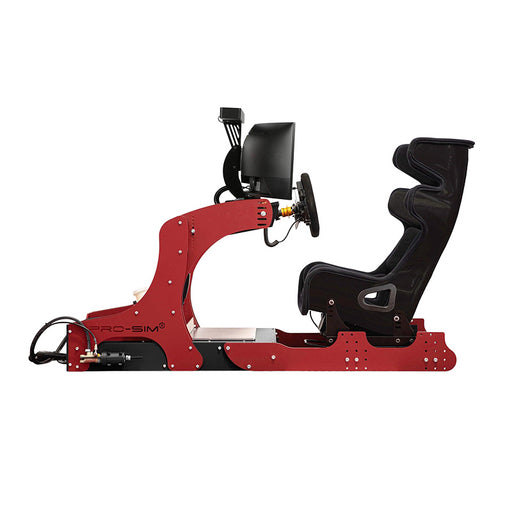 Original price £34,680.00 - Original price £34,680.00Original price£34,680.00£34,680.00 - £34,680.00Current price £34,680.00
Cool Performance GT Pro Racing Simulator
Cool PerformanceExperience Authentic GT Racing with the Cool Performance GT Pro Racing Simulator The Cool Performance GT Pro Racing Simula...
View Full Details -
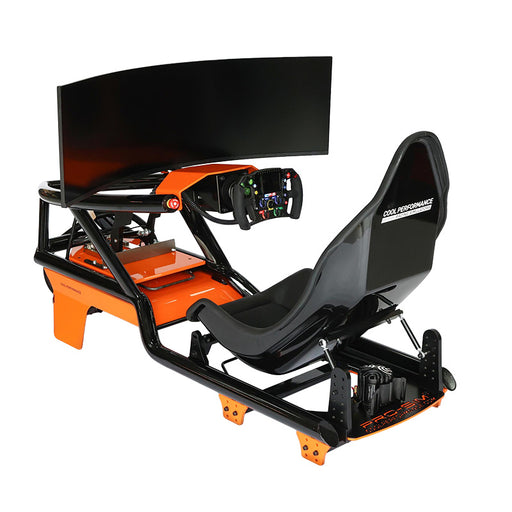 Original price £16,740.00 - Original price £16,740.00Original price£16,740.00£16,740.00 - £16,740.00Current price £16,740.00
Cool Performance Formula Sport Racing Simulator
Cool PerformanceEnter Formula Simulation with Cool Performance Formula Sport Racing Simulator The Cool Performance Formula Sport Racing Si...
View Full Details -
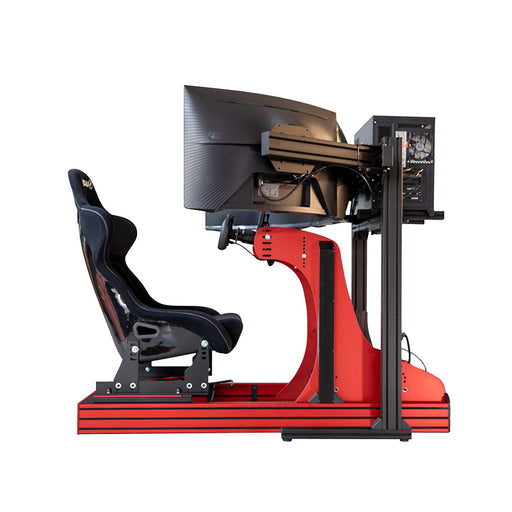 Original price £14,340.00 - Original price £14,340.00Original price£14,340.00£14,340.00 - £14,340.00Current price £14,340.00
Cool Performance GT Sport Racing Simulator
Cool PerformanceMaster Every Racing Discipline with Cool Performance GT Sport Racing Simulator The Cool Performance GT Sport Racing Simula...
View Full Details -
 Original price £11,940.00 - Original price £11,940.00Original price£11,940.00£11,940.00 - £11,940.00Current price £11,940.00
Cool Performance Karting Simulator
Cool PerformanceDevelop Faster Karting Skills with the Cool Performance Karting Simulator Pro The Cool Performance Karting Simulator Pro i...
View Full Details -
 Original price £58,795.00 - Original price £58,795.00Original price£58,795.00£58,795.00 - £58,795.00Current price £58,795.00
Teckell Nivola Racing Simulator
TeckellMotorsport Precision Built Into the Teckell Nivola Racing Simulator The Teckell Nivola Racing Simulator transforms professional racing technolo...
View Full Details


